 18:35
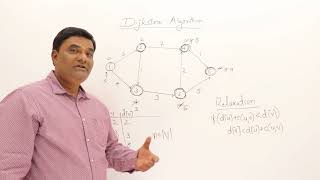
18:35 3.6 Dijkstra Algorithm - Single Source Shortest Path - Greedy Method Abdul Bari
4.9M views · 76.1K likes · 8 years ago
Stack and Queue Data Structures
A stack is LIFO (Last In, First Out): the last item added is the first removed — like a stack of plates. A queue is FIFO (First In, First Out): the first item added is the first removed — like a line at a store. Both are fundamental data structures used throughout programming.
Stack examples: browser back button (pop the last page), undo/redo (pop the last action), function call stack (return to the calling function). Queue examples: print queue (first document submitted prints first), task scheduling, BFS traversal (explore nodes level by level).
18:35  36:54
36:54  48:57
48:57  8:26
8:26 
@apnacollegeofficial
ApnaCollege is where Tech Education meets Real-world needs. Started with a vision to provide ‘Quality’ & ‘Practical’ le...

@gatesmashers
Welcome to Gate Smashers, one of the fastest-growing EdTech communities with 2.6 M+ learners. 🎓 We provide complete lec...

@nareshit
Welcome to the Official Naresh IT YouTube Channel – Your Gateway to IT Career Success! Naresh IT is one of India’s lead...

@geeksforgeeksvideos
Welcome to the Official Channel of GeekforGeeks, your one-stop destination for diverse tech education! 🚀 Tech Variety:...
Arrays work for both. push/pop for stacks (end of array). For queues, use a linked list or circular buffer — array shift() is O(n). In interviews, implement stacks with arrays and queues with linked lists.