 16:42
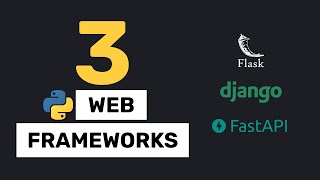
16:42 I built the same app 3 times | Which Python Framework is best? Django vs Flask vs FastAPI Patrick Loeber
882.3K views · 19.5K likes · 4 years ago
Django Web Framework
Django is Python's 'batteries-included' web framework. It provides an ORM, admin panel, authentication, routing, and templating out of the box. Django powers Instagram, Pinterest, and Mozilla, and is the go-to framework for building web applications with Python.
Django follows the 'don't repeat yourself' (DRY) principle. Its ORM maps Python classes to database tables, the admin panel gives you a free CRUD interface, and Django REST Framework adds API capabilities. You can go from idea to working app faster than almost any other framework.
16:42 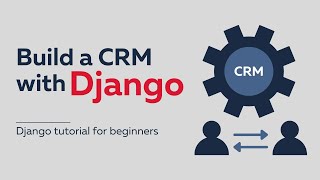 9:01:56
  8:11
8:11 
@faztcode
FaztCode es un canal de programacion, tutoriales y proyectos web, en donde podras encontrar ejemplos prácticos de lengua...

@dennisivy
Sharing what I know about Full Stack Web development with the primary focus being Python, Django & Javascript at the tim...

@programming_tutorial_youtube
Udemyのような中身の濃いプログラミング動画を定期的に配信しています。登録すれば無料で全て閲覧することができます。転職やアプリ開発/ウェブサイト開発にお役立てください。 ★扱っているプログラム言語 ・HTML ・CSS ・Javascr...
Django for full-stack web apps with admin, ORM, and templates. FastAPI for pure API backends where you need speed and async support. Django is more productive for CRUD apps; FastAPI is faster and lighter.
Yes. Django is mature, well-documented, and actively developed. It's the most popular Python web framework and powers major companies.