 18:35
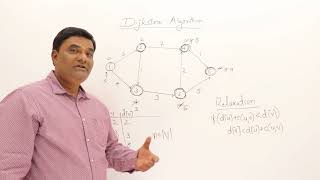
18:35 3.6 Dijkstra Algorithm - Single Source Shortest Path - Greedy Method Abdul Bari
4.6M views · 72.1K likes · 8 years ago
An algorithm is a step-by-step procedure for solving a problem or accomplishing a task. In programming, algorithms are the logic behind sorting data, searching records, finding shortest paths, and processing information. Understanding algorithms is essential for writing efficient code and passing technical interviews.
Algorithms are everywhere: Google Search uses PageRank to rank results. GPS apps use Dijkstra's algorithm to find shortest routes. Netflix uses collaborative filtering algorithms for recommendations. Instagram's feed uses ranking algorithms to order posts.
Algorithm efficiency matters: a naive search through 1 million records takes 1 million comparisons. Binary search takes 20. The right algorithm can make the difference between a page loading in 50ms vs 50 seconds.
You don't need to memorize every algorithm, but understanding fundamental patterns — divide and conquer, greedy, dynamic programming, graph traversal — lets you recognize and solve new problems efficiently.
function binarySearch(arr, target) {
  let left = 0;
  let right = arr.length - 1;

  while (left <= right) {
    const mid = Math.floor((left + right) / 2);
    if (arr[mid] === target) return mid;
    if (arr[mid] < target) left = mid + 1;
    else right = mid - 1;
  }

  return -1; // Not found
}

// O(log n) — searches 1 billion items in ~30 steps
binarySearch([1, 3, 5, 7, 9, 11, 13], 7); // → 3 36:54
36:54  48:57
48:57  8:26
8:26  18:56
18:56  17:12
17:12 
@gatesmashers
Welcome to Gate Smashers, one of the fastest-growing EdTech communities with 2.6 M+ learners. 🎓 We provide complete lec...

@neetcode
Current NEET and ex-Google SWE, also I love teaching! N.E.E.T. = (Not in education, employment or training) Preparing ...
@neuralnine
NeuralNine is an educational brand focusing on programming, machine learning and computer science in general! Let's deve...

@greghogg
Today, Greg is driven by a single mission: to help engineers master the complex technical skills required to land roles ...
@csengineeringgyan
CS Engineering Gyan (CSE GYAN) is a channel that is all about providing clear knowledge of various subjects(i.e Data Str...

@codingseekho
C Programming in Hindi, Core Java in Hindi, Python in Hindi, Data structure in hindi, c++ in hindi program by Vikas Sing...
You rarely implement sorting or graph algorithms from scratch. But understanding Big O, data structures, and algorithmic thinking helps you write efficient code, choose the right tools, and pass interviews.
Start with Big O notation, then learn searching (binary search), sorting (merge sort, quicksort), and basic data structures. LeetCode Easy problems build pattern recognition. Books: 'Grokking Algorithms' for beginners.
Binary search, BFS/DFS (graph traversal), sorting (quicksort, merge sort), hash tables, and dynamic programming basics. These cover 90% of interview and real-world algorithm needs.
Want a structured learning path?
Plan a Algorithm Lesson →