 16:08
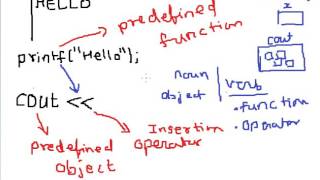
16:08 CPP Program to print HELLO on the screen C++ by Saurabh Shukla Sir
128K views · 1.6K likes · 9 years ago
C++ Programming Language
C++ is a high-performance, statically typed programming language used for systems programming, game engines, embedded systems, and performance-critical applications. It gives developers direct control over hardware and memory while supporting object-oriented and generic programming.
C++ powers the software that needs to be fast: game engines (Unreal Engine, Unity's core), browsers (Chrome, Firefox), databases (MySQL, MongoDB), operating systems (Windows, parts of Linux), and high-frequency trading systems.
Modern C++ (C++17/20/23) is substantially different from legacy C++. Smart pointers eliminate manual memory management, ranges simplify algorithms, concepts constrain templates, and modules replace headers. It's a much more pleasant language than C++98.
C++ is the second-fastest growing language after Rust for systems programming. The tradeoff vs Rust: C++ has a larger ecosystem and more jobs, but Rust prevents entire categories of memory bugs at compile time.
C++ is essential for game development, embedded systems, operating systems, compilers, and any application where microseconds matter. Major tech companies (Google, Microsoft, Apple, Amazon) use C++ extensively for performance-critical infrastructure.
#include <iostream>
#include <vector>
#include <algorithm>
#include <memory>

struct User {
    std::string name;
    int age;
};

int main() {
    auto users = std::vector<User>{
        {"Alice", 30}, {"Bob", 25}, {"Charlie", 35}
    };

    // Sort by age using ranges (C++20)
    std::ranges::sort(users, {}, &User::age);

    for (const auto& [name, age] : users) {
        std::cout << name << ": " << age << '\n';
    }
} 29:06
29:06  9:05
9:05 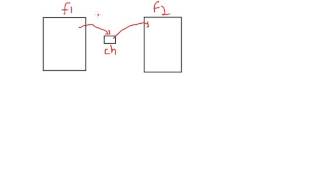 12:39
12:39  1:08
1:08  7:47
7:47 
@cppnuts
Hi, this is Rupesh Yadav and I am uploading content about C & C++, which every beginner C & C++ Programmer must know. C...
@cppnow
#cppnow #cplusplus #cpp #cplusplusprogramming #cplusplustutorial #cpptutorial

@vantagewithai
Vantage with AI is your vantage point into cutting‑edge Artificial Intelligence. Expect practical, code-first tutorials ...
@utahcppprogrammers
Utah C++ Programmers meets monthly to discuss topics related to C++ programming. Meetup: https://www.meetup.com/utah-cp...

@rustandcppcardiffmeetup4173
What we're about! Rust and C++ Cardiff is a meetup group for high performance programming language enthusiasts - beginn...
@cpponline
A new, online-only C++ developer conference created with accessibility and international access to the C++ community as ...
Yes, if you're interested in game development, systems programming, embedded systems, or performance-critical software. C++ jobs pay well and the language continues to evolve with modern standards.
Rust for new projects where memory safety is critical. C++ if you need the larger ecosystem, more learning resources, or are joining a team with existing C++ codebases. Both are excellent systems languages.
C++ has one of the steepest learning curves in programming. Basic proficiency takes 6-12 months. Mastery of templates, memory management, and the STL takes years. Start with C++17 or later — avoid learning legacy C++.
Want a structured learning path?
Plan a C++ Lesson →