 17:56
Image Classification using CNN Keras | Full implementation Learn With Jay
248.9K views · 5.7K likes · 5 years ago
Computer vision is the field of AI that enables machines to interpret and understand visual data — images and videos. It powers facial recognition, self-driving cars, medical image analysis, and augmented reality.
Computer vision systems use convolutional neural networks (CNNs) or Vision Transformers (ViTs) to process images. They can classify images (cat vs dog), detect objects (find all cars in a photo), segment regions (outline each person), and generate images (DALL-E, Stable Diffusion).
Pre-trained models like YOLO (real-time object detection), ResNet (image classification), and SAM (segment anything) are available on Hugging Face. Cloud APIs from Google Vision, AWS Rekognition, and Azure Computer Vision handle common tasks without ML expertise.
Computer vision powers autonomous vehicles, medical diagnostics (X-ray analysis), quality control in manufacturing, security cameras, AR filters, and document OCR. Developers typically use pre-trained models or cloud APIs rather than training from scratch.
17:56  1:45:54
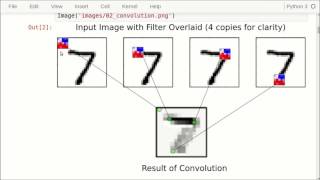 36:20
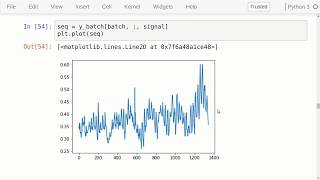 28:06
Python with OpenCV, PyTorch, and Hugging Face. OpenCV handles traditional image processing; PyTorch and TensorFlow handle deep learning-based vision tasks.
Yes, OpenCV provides traditional techniques (edge detection, template matching, color filtering) that work for many tasks. But deep learning models significantly outperform traditional methods for complex tasks.